
Executive Summary
Hydro jetting services in San Diego cost is most accurately predicted when scope is defined by pipe diameter, run length, access, blockage type, and camera-confirmed pipe condition. The most durable outcome comes from full wall-scouring with safe pressure control and post-clean verification, not just “opening the line.”
Core Insights
- Scope Drives Price: Pricing rises or falls based on measurable job factors—pipe size, developed length, access points, and how hard it is to move debris to an approved downstream connection.
- Camera Verification Reduces Waste: A pre- and post-jet camera inspection can add cost but prevents paying to jet lines that are collapsed, severely offset, or bellied where cleaning will be temporary.
- Safety Depends on Matching Tools to Pipe: Proper nozzle selection and pressure adjustment by material (cast iron, clay, ABS/PVC) are what prevent damage, incomplete cleaning, and quick re-blockage.
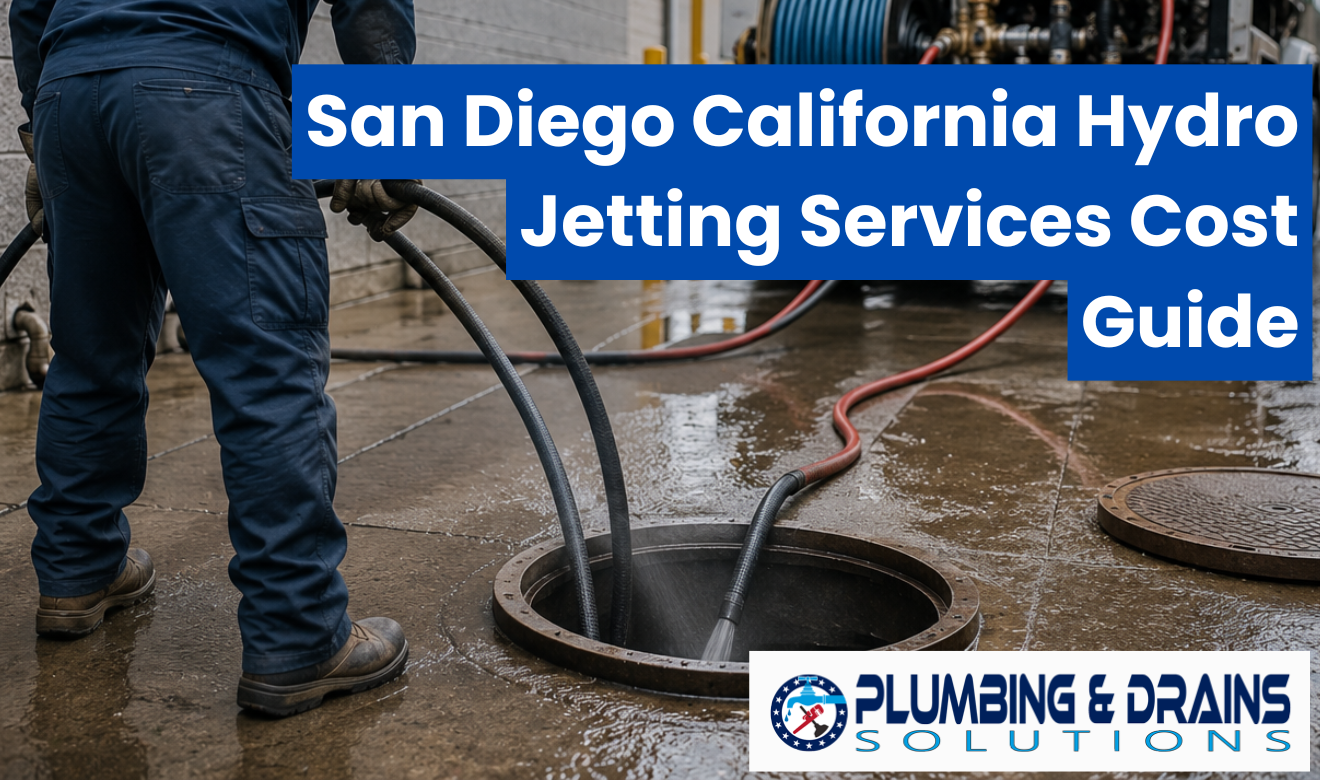
Hydro jetting in San Diego is a high-pressure drain and sewer cleaning method that uses a specialized nozzle and water to strip grease, sludge, scale, sand, and roots from pipe walls. The hydro jetting services in San Diego cost usually depends on line diameter, total run length, access points, and the type of blockage. A 2-inch kitchen drain in a Clairemont condo with heavy grease buildup often needs a short jetting pass and may only require access through a cleanout under a sink or in a garage. A 4-inch main sewer line at a North Park bungalow can take longer when the run includes older clay tile with offset joints that catch roots. A technician may start with a camera inspection to confirm pipe material, locate bellies, and identify intrusion points near the sidewalk or parkway. Pressure is adjusted by pipe type to reduce risk, such as lower settings for aging cast iron with flaking scale and careful nozzle selection for ABS or PVC. Access constraints also affect time, such as a cleanout buried under landscaping in Point Loma or a long lateral that runs under a slab in Mira Mesa. Pricing can rise when debris must be flushed to a downstream access point, when multiple branch lines are involved, or when municipal requirements limit where discharge can go and how cleanup is handled.
What Hydro Jetting Does (and What It Doesn’t)
Hydro jetting is designed to restore full internal pipe diameter by scouring the pipe wall, not just punching a hole through a clog. It is not a repair method for collapsed, separated, or severely deteriorated piping where water pressure could worsen a failure.
Hydro jetting uses a high-pressure pump, a jetting hose, and a nozzle that directs water forward and backward. The rear jets provide thrust and “peeling” action that removes adhered debris such as:
- Fats, oils, and grease (FOG) layered inside kitchen lines
- Soap scum, hair, and product buildup in bathroom branches
- Scale and corrosion byproduct in aging cast iron
- Sand, silt, and construction debris in low spots
- Fine root intrusion in joints (common in older clay tile and some Orangeburg transitions)
Hydro jetting does not fix structural defects. If a camera shows a broken section, bellied line holding standing water, or major offsets, cleaning may only provide temporary flow until the underlying defect is corrected through rehabilitation or replacement.
Key Drivers That Shape Pricing in San Diego
Hydro jetting pricing in San Diego is mainly determined by pipe size, run length, access, and how difficult it is to transport debris to an approved downstream point. Time on site increases when the technician must inspect, set up multiple access points, or use multiple nozzle passes.
The cost framework typically tracks these measurable variables:
- Pipe diameter: 2-inch and 3-inch branch lines generally clean faster than 4-inch mains; larger diameters can require different nozzles and flow rates.
- Total developed length: The distance from the access point to the affected section affects jetting time and hose management.
- Number and location of access points: A readily accessible exterior cleanout reduces labor compared with a buried, enclosed, or missing cleanout.
- Blockage type: Grease and soft sludge often clear with fewer passes; roots and mineral scale frequently require methodical cutting and polishing passes.
- Pipe material and condition: Older cast iron with exfoliating scale, Orangeburg, or compromised clay can require conservative pressure and nozzle choice to avoid damage.
- Pre-clean camera verification: A sewer camera is often used to confirm line material, locate offsets, and verify that jetting is safe and likely to be effective.
In many San Diego neighborhoods with older housing stock (clay and cast iron), the decision to jet is frequently tied to camera findings—especially when roots are recurring or when the line shows joint displacement.
Standard Workflow: What You’re Paying For
Most hydro jetting jobs follow a predictable sequence: evaluate, confirm, clean, and verify. A structured workflow reduces the risk of over-pressurizing fragile piping and prevents incomplete cleaning that leads to quick re-blockage.
A typical job sequence includes:
- Site and fixture assessment: Identify symptoms (slow drains, backups, gurgling) and determine whether the issue is a single branch line or the building sewer.
- Access setup: Use an existing cleanout, remove a trap or cleanout plug, or locate the correct access point to avoid forcing debris toward fixtures.
- Video inspection (when indicated): Confirm material (ABS/PVC, cast iron, clay), locate intrusion points, and ensure the line is not collapsed.
- Jetting pass selection: Choose nozzle type (penetrator, root cutter, flushing, or polishing nozzle) and set pressure appropriate to pipe condition.
- Progressive cleaning: Start with opening the line to restore flow, then perform additional passes to scour walls and move debris to the downstream connection.
- Post-clean verification: Camera re-check to confirm walls are clean and to document remaining structural issues (offsets, bellies, fractures).
- Cleanup and discharge handling: Contain overspray, manage wastewater, and ensure discharge practices comply with local rules and site constraints.
If a cleanout is missing or unusable, adding a proper access point can be the deciding factor in both project scope and price; for properties without adequate access, a sewer clean-out installation may be recommended before repeated cleanings.
San Diego-Specific Considerations That Affect Time on Site
Local build patterns and right-of-way rules can complicate access, discharge, and verification. Jobs often take longer when the lateral runs under slabs, landscaping, or hardscape and when the best access point is near a sidewalk or parkway.
Common factors that increase labor in San Diego include:
- Slab-on-grade laterals: Long under-slab runs can limit where a technician can introduce the jetting hose and may require careful debris management to prevent indoor backups.
- Parkway tree roots: Roots typically enter at joints in clay tile or at transitions where materials change; cleaning may restore flow but the intrusion points remain.
- Older cast iron interiors: Flaking scale can break loose in sheets; conservative jetting combined with verification helps prevent downstream re-accumulation.
- Buried or covered cleanouts: Cleanouts hidden under landscaping, decks, or planters can require locating and excavation before jetting begins.
- Multi-unit buildings: Shared stacks and branch lines can require isolating fixture use and coordinating access to avoid cross-contamination and unexpected discharge.
When inspections reveal advanced corrosion, repeated blockages, or thinning cast iron, replacement can be a more durable solution; for background on common failure patterns and planning considerations, see cast iron replacement.
Pressure, Nozzles, and Pipe Safety (How Damage Is Avoided)
Safe hydro jetting depends on matching pressure and nozzle style to pipe diameter and material condition. Responsible operators treat jetting like controlled machining—progressively opening, flushing, then polishing rather than blasting at maximum output.
Key technical controls used to reduce risk:
- Material-based pressure adjustment: Lower, controlled settings are typically used for aging cast iron and fragile clay; stable ABS/PVC can often tolerate higher cleaning pressures when joints are sound.
- Progressive nozzle selection:
- Penetrator nozzles to open a blocked line
- Root cutting nozzles for fine-to-moderate intrusion (followed by flushing)
- Flushing nozzles to transport debris to the main connection
- Polishing nozzles for final wall scouring where grease/scale is persistent
- Controlled pass strategy: Multiple shorter passes reduce the chance of packing debris or overwhelming downstream capacity.
- Verification with a camera: Confirms that cleaning is complete and identifies defects that jetting cannot correct.
Because plumbing systems are part of the building’s infrastructure and regulated trade, understanding the broader scope of plumbing work and system interfaces is helpful; a general overview is available at Plumbing.
How to Compare Estimates Without Guessing
You can compare hydro jetting quotes by requiring the same measurable scope: which line, how it will be accessed, whether inspection is included, and what verification is provided. A quote that doesn’t specify access and verification often leads to change orders when the cleanout is missing or the clog is not where expected.
Use this scope checklist when reviewing options:
- Line identification: Kitchen branch, bathroom group, main building drain, or property sewer lateral
- Access plan: Which cleanout, whether an indoor trap removal is required, and whether excavation is expected
- Included diagnostics: Whether a camera inspection is performed before and/or after cleaning
- Cleaning standard: “Open the line” versus “full wall scouring and debris transport”
- Limitations: What happens if the camera shows collapse, severe offsets, or standing water indicating a belly
- Documentation: Still images or video clips demonstrating pre- and post-condition
For ongoing prevention in properties prone to recurring grease or roots, setting a maintenance cadence can be more cost-stable than emergency service; a structured approach is outlined in drain maintenance.
Core Metrics Table: What Changes the Job Complexity
Hydro jetting complexity can be summarized using a few jobsite metrics that directly affect labor, equipment setup, and verification time. The table below translates those metrics into practical specifications and local constraints encountered on San Diego properties.
| Feature / Metric | Specifications | Local Guidelines |
|---|---|---|
| Pipe diameter served | Common residential targets are 2-inch kitchen/bath branches and 4-inch building sewer lines; nozzle selection must match diameter to avoid ineffective scouring or kickback. | Older neighborhoods frequently combine materials (cast iron to clay/PVC transitions); confirm material before jetting using a camera when history is unknown. |
| Access and cleanout availability | Efficient jetting requires a serviceable cleanout at an appropriate location (often exterior) to direct debris downstream and prevent indoor overflow. | Cleanouts are sometimes buried under landscaping or hardscape; locating and exposing them can add time and may require property approval before disturbance. |
| Blockage type and adhesion strength | Grease and sludge require wall scouring; roots require cutting then flushing; mineral scale in cast iron often needs repeated passes to remove layered deposits. | FOG buildup is common in condos with shared kitchen usage; root intrusion is common near parkways and mature landscaping along laterals. |
| Verification standard | Pre- and post-jetting video confirms whether the line is fully cleaned and whether defects remain (offsets, fractures, bellies). | If the affected segment is near a sidewalk/parkway, documenting location and condition helps plan next steps when repairs involve right-of-way boundaries. |
When Hydro Jetting Is the Right Choice vs. Snaking
Hydro jetting is best when buildup is coating the pipe walls or when recurring clogs indicate the line is not being fully cleaned by a cable. Snaking is often adequate for isolated, soft obstructions but usually leaves grease and scale on the walls that quickly re-catch debris.
Use this practical decision guide:
- Choose hydro jetting when:
- Grease returns within weeks/months after a snake
- Multiple fixtures back up, suggesting a mainline restriction
- Camera shows significant wall buildup or recurring root intrusion
- You need full-bore restoration to reduce repeat service calls
- Choose a cable snake when:
- The issue is a localized obstruction (hair at a trap, small foreign object)
- Pipe condition is unknown and you’re opening flow for an urgent, minimal intervention before inspection
- A fragile line needs conservative first contact before higher-energy cleaning
If a line cannot be restored due to deformation, collapse, or persistent standing water, cleaning may only be temporary and a repair plan becomes the rational next step; this is where Drain Cleaning paired with inspection can help define whether jetting, spot repair, or replacement is the correct path.
Signs You’ll Likely Need Jetting Again (and How to Reduce Frequency)
Recurring symptoms usually indicate either an unresolved intrusion point (roots, offsets) or re-accumulating grease and sludge from usage patterns. Reducing frequency requires matching maintenance to the cause identified on camera rather than repeating the same cleaning on a schedule that doesn’t fit the line’s condition.
Common recurrence triggers and controls:
- Root intrusion at joints: Jetting restores flow, but roots can return; long-term control may require repair, lining, or targeted replacement of the intrusion segment.
- FOG accumulation: Improve kitchen practices (no grease down drains, wipe pans, strain solids) and consider periodic wall-scouring jetting if the line layout promotes buildup.
- Low spots (“bellies”): Standing water slows transport of solids; cleaning helps but does not remove the belly—repairs are typically needed for durable performance.
- Scale in cast iron: As the interior roughens, it catches debris; if repeated cleanings are needed, evaluate rehabilitation or replacement based on camera evidence.
Clear Takeaways for Planning and Budgeting
Hydro jetting costs in San Diego are most predictable when the scope is defined by camera findings, pipe diameter, run length, and confirmed access. The most accurate estimates describe the line segment being cleaned, the access point, the nozzle strategy, and how completion is verified.
To plan confidently:
- Request line identification (branch vs. main) and a clear access plan.
- Use a camera inspection when pipe condition is unknown or when clogs recur.
- Require post-clean verification so “cleaned” means fully scoured, not merely reopened.
- Escalate to repair planning when camera findings show offsets, collapse, or chronic bellies that cleaning cannot solve.
When these elements are specified upfront, you can compare proposals on equal terms and avoid paying repeatedly for short-lived “flow restoration” that doesn’t address the underlying cause.
Frequently Asked Questions
Stop Guessing With Your Sewer Line—Get Hydro Jetting Done Right the First Time
Hydro jetting isn’t “just blasting water.” Done wrong, it can turn a manageable clog into a full-on property problem—especially in San Diego homes with older cast iron or clay tile where offsets, roots, and corrosion can change everything. When pressure is too high, the nozzle is wrong, or the access point isn’t properly set up, you risk pushing debris into a worse restriction, triggering an indoor backup, flooding a bathroom or kitchen, or exposing a weak section of pipe that was already on the edge.
And the biggest trap? Treating symptoms instead of causes. If you skip a camera check, you can waste money jetting a line that’s bellied, separated, or partially collapsed—meaning the “fix” won’t last. If you don’t have the right downstream plan, debris doesn’t fully evacuate, and the line re-blocks fast. If discharge and cleanup aren’t handled correctly, you can end up with a bigger mess and a bigger bill.
You don’t need a temporary opening—you need full-diameter cleaning, safe pressure control based on pipe material, and verification that the job actually worked. That’s what an experienced local technician brings: the right equipment, the right process, and the judgment to know when jetting is smart—and when repair planning is the only durable answer.
Downtown San Diego Plumber, Drain Cleaning, Water Heater Services



